Birth farm
Each animal names its birth farm and the date it was born.
Kagoshima 31
A5
Kagoshima and Tottori, Japan
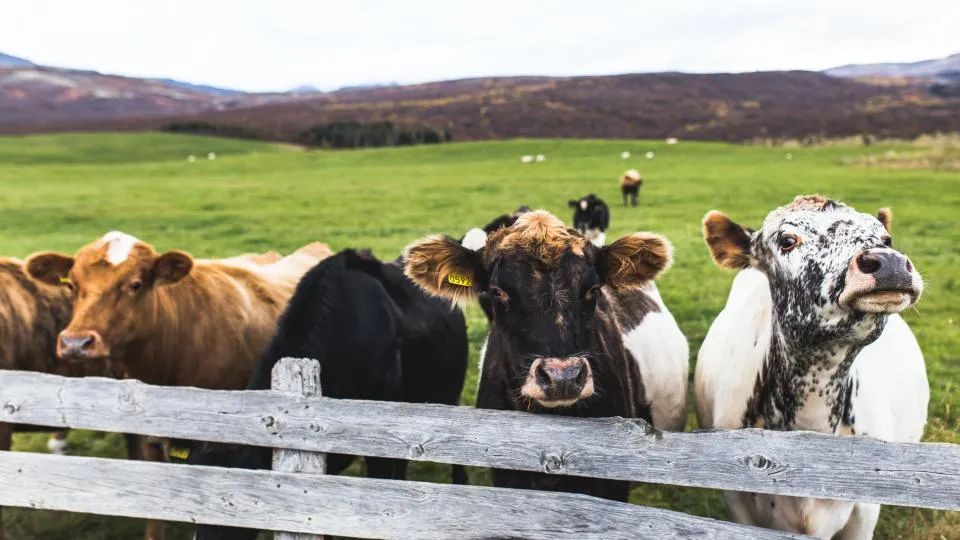
Cattle farms in Kagoshima and Tottori raise beef cattle from birth to market. We record each animal's birth farm, feed record and carcass grade, so a buyer can see the origin of the beef.
| Tag | Animal | Birth farm or grade | Stage |
|---|---|---|---|
| WT-5101 | Kagoshima 22 | Makurazaki | Raised |
| WT-5107 | Tottori 9 | Yonago | Born |
| WT-5114 | Kagoshima 31 | Grade A5 | Shipped |
| WT-5120 | Tottori 14 | Kurayoshi | Raised |
The carcass grade is set by the abattoir's licensed grader and linked to the ear-tag number, so the grade on the invoice and the animal on the herd sheet are the same line.
Each animal names its birth farm and the date it was born.
Feed type and the rearing period are written on the animal line.
The abattoir grade is signed and linked to the ear-tag number.
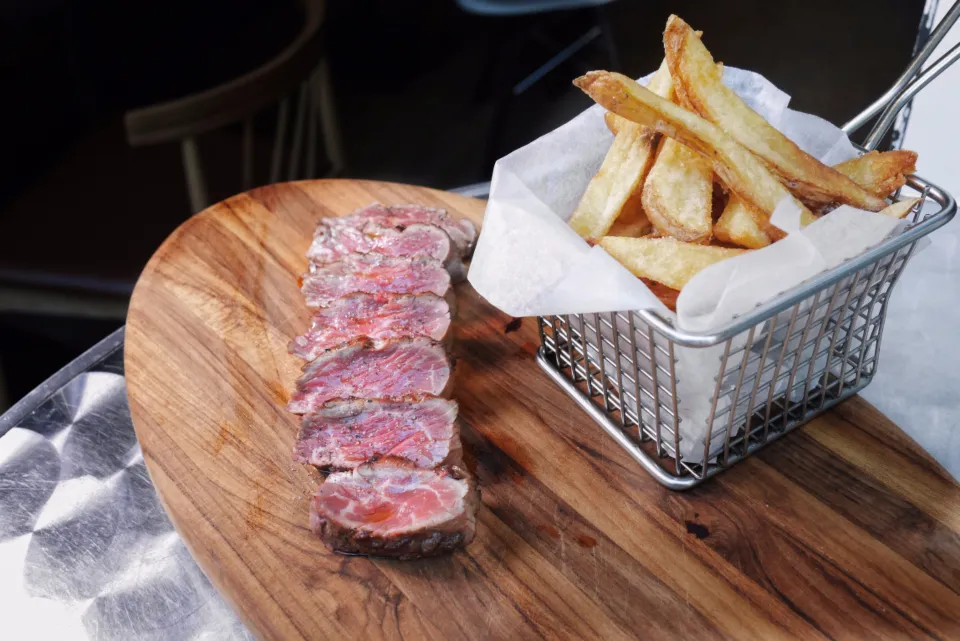
A restaurant buyer sees the same record the feedlot keeps: birth farm, feed months and the grade signed on the carcass line, so the cut on the board has a traceable history.